The Institute of Cetacean Research





Studies on Whales Reveal Changes in the Antarctic Marine Ecosystem
Joji Morishita
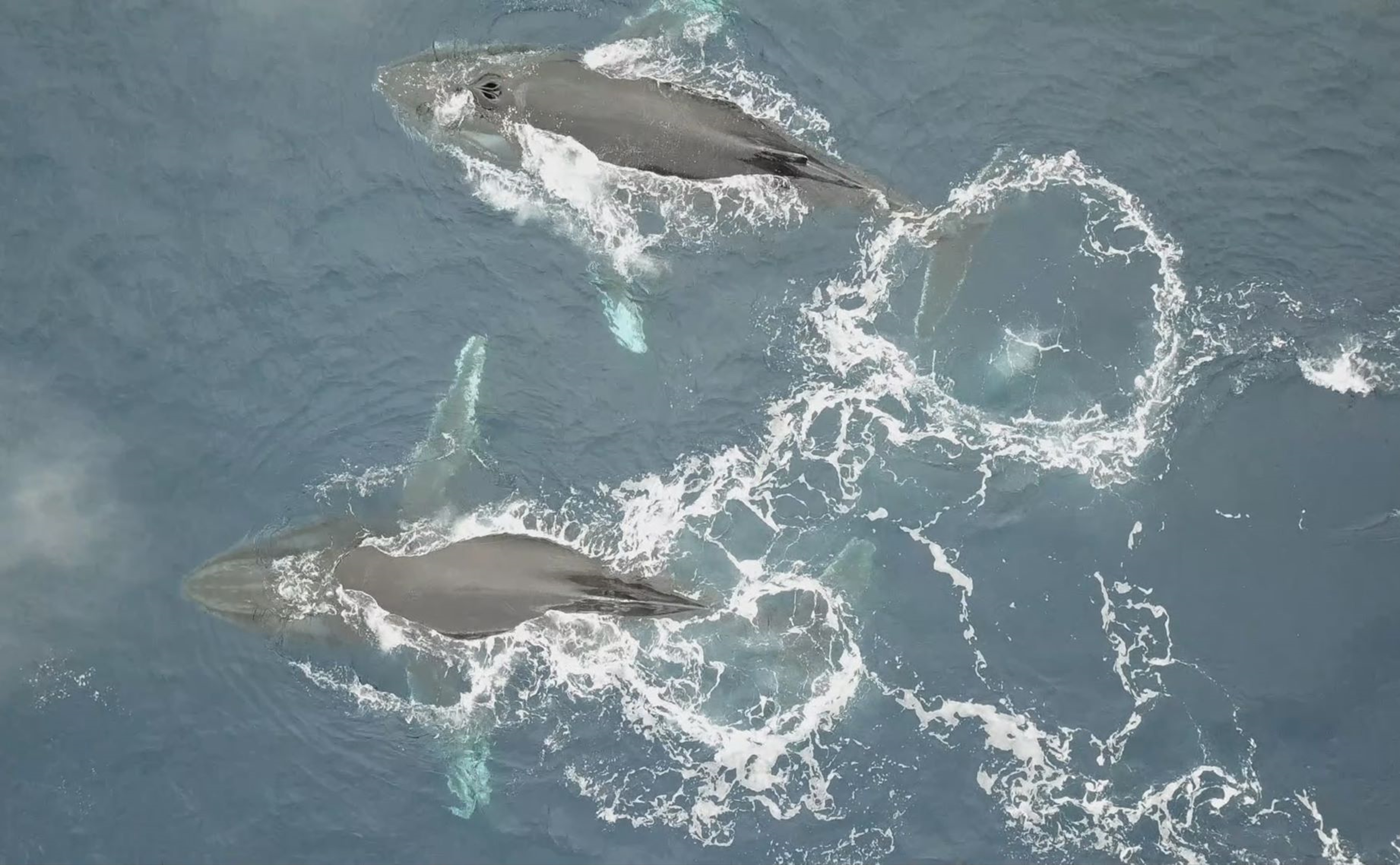
A comprehensive review of scientific information on whale species, such as Antarctic blue, fin, humpback, and Antarctic minke whales, in the Antarctic Ocean revealed that their species mix/interactions have been experiencing dynamic changes. The past changes were caused by whaling, but recent phenomena might be the results of recovery of whale species, their interactions with the Antarctic marine ecosystem, and, possibly, effects of climate change.
In their 2020 article published by IntechOpen (Whales as Indicators of Historical and Current Changes in the Marine Ecosystem of the Indo-Pacific Sector of the Antarctic), Drs. Yoshihiro Fujise and Luis A. Pastene reviewed wide ranging scientific information on whale species in the Indo-Pacific sector of the Antarctic Ocean, including historic changes in distribution and abundance by species, their increasing/decreasing trends, health/nutrition/reproductive conditions by species, and what and how much they eat. Whales are affected by conditions of their prey species (i.e., krill, a shrimp-like creature), interactions with other krill predators (penguins, seals, and fish species), and environmental conditions (sea temperatures, currents, ice coverage, and such). What they found was very dynamic changes in the marine ecosystem over the years.
Once over-exploited whale species such as blue, fin and humpback whales have been increasing since the 1980's and, especially, humpback whales have become a predominant species in the area. Antarctic minke whales, never over-exploited, had increased their abundance until about 1990 because they could consume more krill during the period of the over-exploitation of larger whale species. They matured at younger ages with improved nutrition and, as a result, their number increased rapidly. This is called the krill surplus hypothesis, and penguins and other krill eaters also benefitted from the increased food. The recent recovery of larger whale species has changed the trend. Antarctic minke whales are now competing again with the larger recovering whales and Japan's scientific research activities found deteriorated nutritional conditions of Antarctic minke whales. Their energy storage, in the form of body fat, has decreased, weight of food in their stomach has decreased, and they now mature more slowly than before.
Antarctic minke whales also have been changing their distribution/feeding areas in order to avoid competition over space with the larger whales. The areas that used to be full of minke whales are now mostly occupied by humpbacks and fin whales instead. Alternatively, more Antarctic minke whales are observed in polynyas (open sea area within packed ice).
These dynamic changes in the Antarctic were revealed based on multiple sources of scientific data and information accumulated for decades. What we have been observing could be the results of the recovery of larger whales once over-hunted and /or also could be related to the influence of global climate change on krill abundance and distribution. The Fujise and Pastene paper1 is significant as it has demonstrated large-scale and long-term ecosystem changes in the Antarctic Ocean and the importance of collecting and analyzing all available scientific information, irrespective of the political issues surrounding whales and whaling.
1 December 2025.
1 Fujise, Y. and Pastene, L.A., 2020. Whales as indicators of historical and current changes in the marine ecosystem of the Indo-Pacific sector of the Antarctic. In Glaciers and the Polar Environment. IntechOpen. DOI: 10.5772/intechopen.94323.
Studies on Whales Reveal Changes in the Antarctic Marine Ecosystem- PDF file